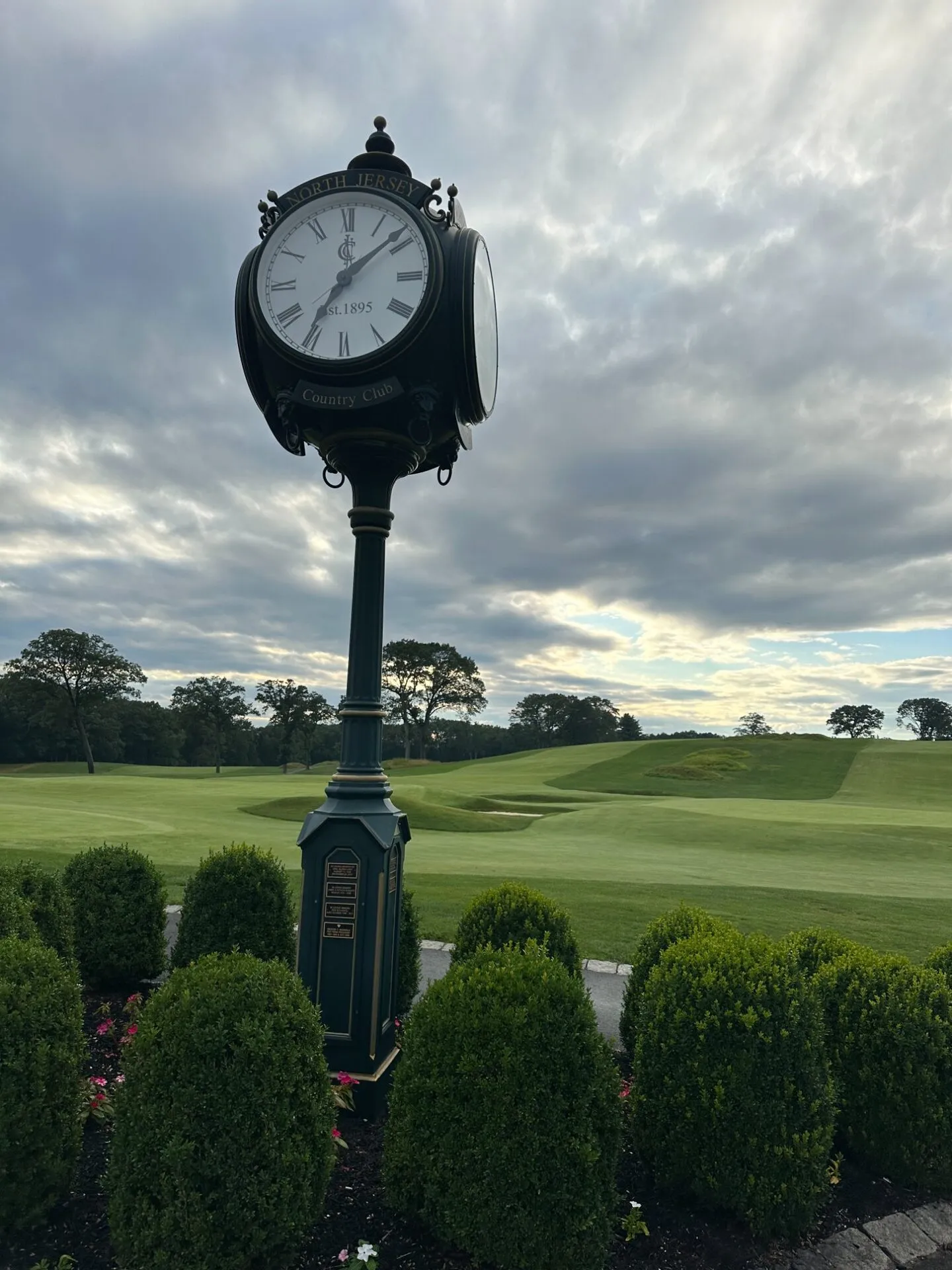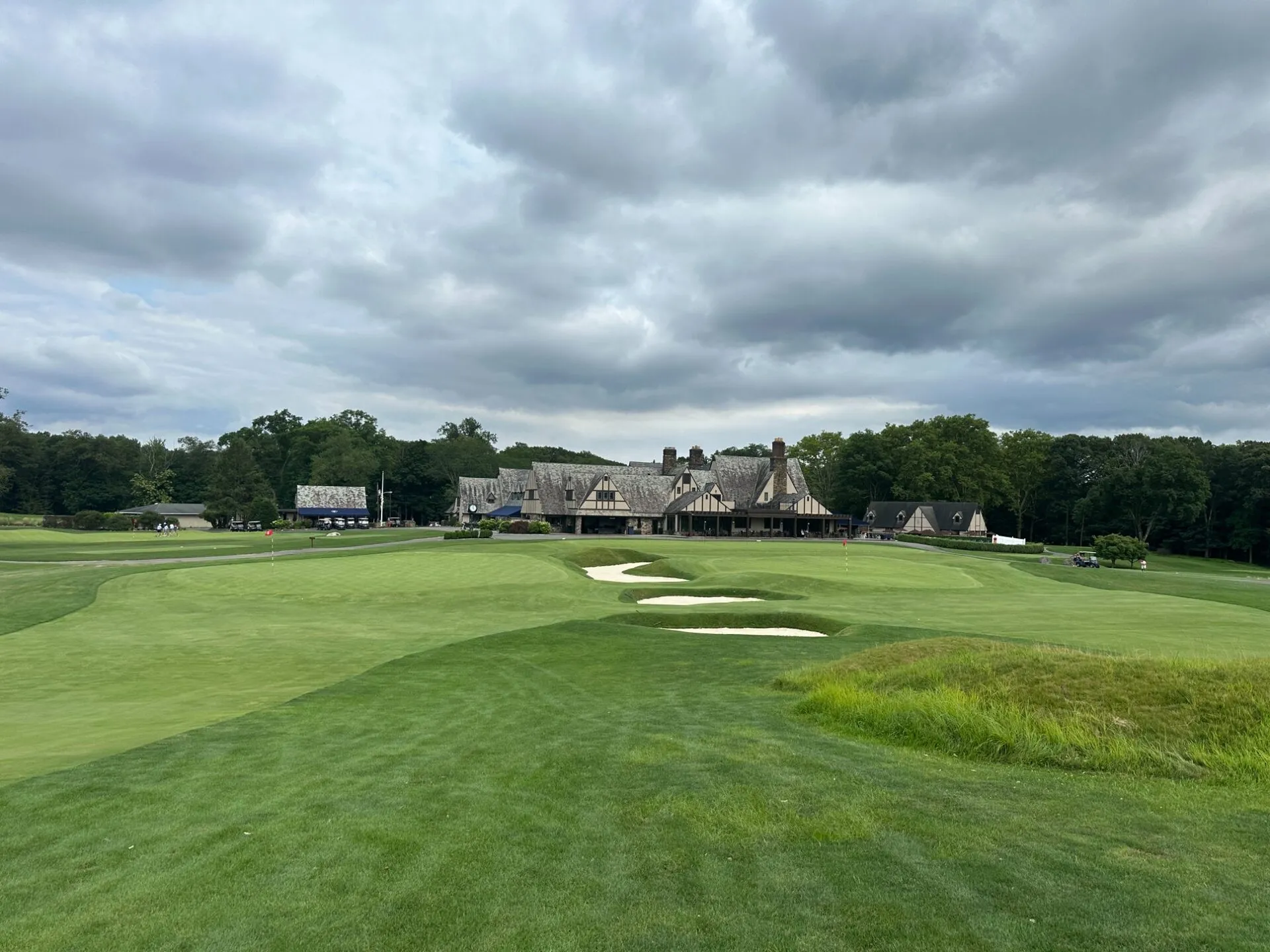
Walter Travis does not get talked about the way Tillinghast and Ross do. He is the quiet name in the Golden Age conversation, the architect that serious students of the game revere but casual fans might not recognize. Playing North Jersey Country Club on a warm late July afternoon, you start to understand both sides of that equation. Why Travis is underappreciated by the masses, and why the people who know his work consider him essential.
Travis was a fascinating figure in American golf. An Australian-born American who did not pick up the game until his mid-thirties, he won three U.S. Amateurs and a British Amateur, becoming the first overseas player to claim that title, a victory that famously rattled the British establishment. He brought that same competitive intelligence to his architecture. Travis designed courses the way he played. Strategically. Precisely. With an emphasis on positioning over power.
A Player’s Design
You can feel the player’s mind at work on every hole at North Jersey. The course does not overpower you with length or visual intimidation. Instead, it asks you questions that seem simple on the surface but grow more complex the more you think about them. Where exactly do I want to be on this fairway? What is the penalty for missing the green on this side versus that side? Am I being rewarded for taking on risk, or punished for ignoring it?
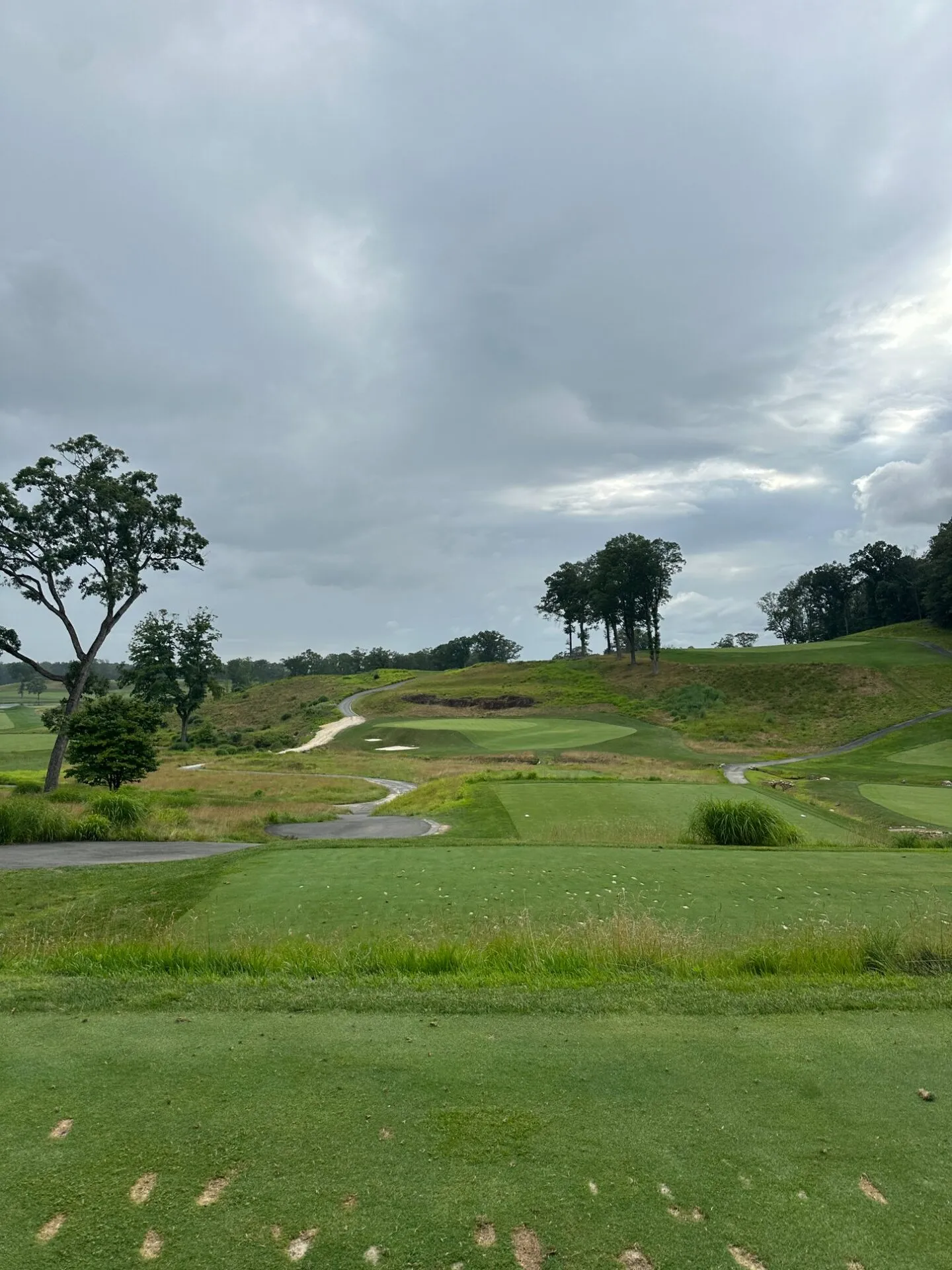
Travis had a gift for building holes where the obvious play was not necessarily the smart play. At North Jersey, you will find tee shots where the widest part of the fairway sets up the worst angle into the green, and the tight side that makes you nervous off the tee opens up the entire putting surface for your approach. It is the kind of design that rewards the golfer who slows down and thinks, which is exactly how Travis played the game himself.
The Schneider Restoration
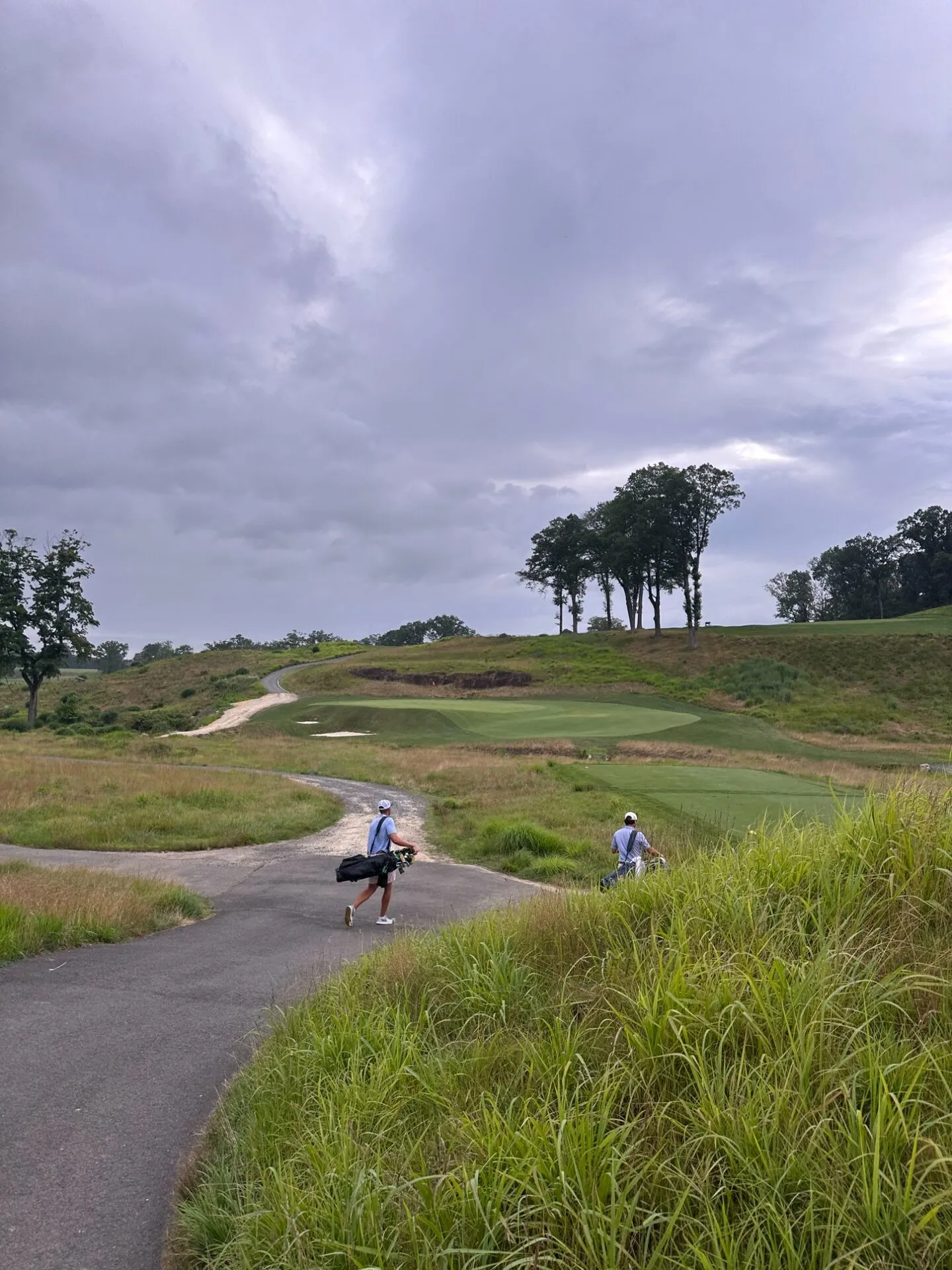
What makes North Jersey feel so alive right now is the restoration work by Brian Schneider of Renaissance Golf Design. For decades, the course had been slowly buried. Dense tree canopies choked sunlight from the fairways, diminished turf quality, and swallowed the natural terrain that Travis had used so intentionally. Many of the original green contours had been softened over the years, and the course had drifted far from Travis’s intent. Schneider, who has made a career out of resurrecting Golden Age designs at places like Hollywood, Garden City, and the Lido, took on the project with the same careful philosophy he brings to all his restoration work. He pulled back the tree canopy, exposed the dramatic natural terrain movements that Travis had routed the course across, and restored the bunkers to their original positions and character.
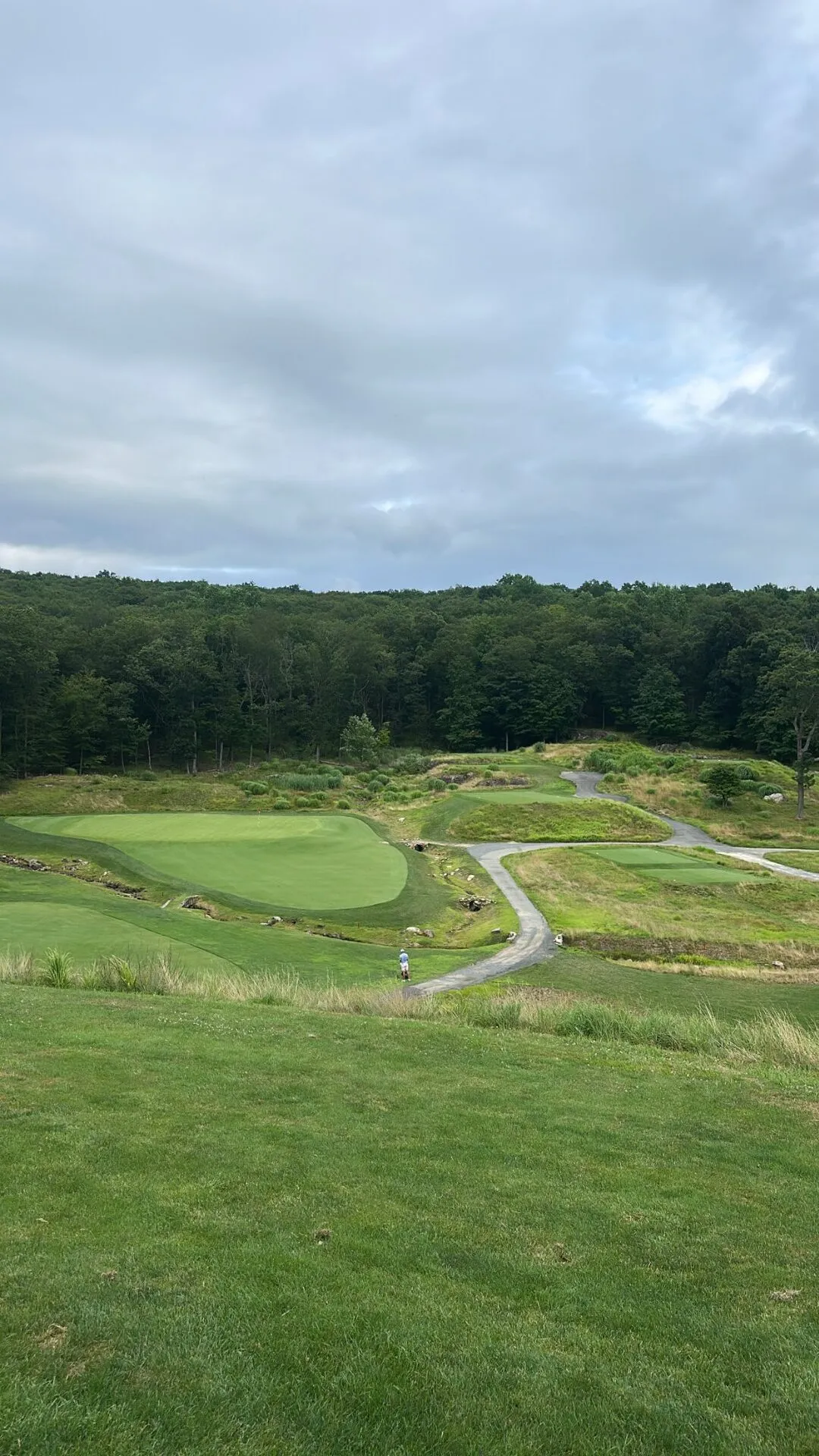
Schneider's restoration in one frame. The cleared canopy reveals cascading greens, exposed rock, and the creek that Travis routed the course around. For three caddies from Old Barnwell who know Schneider's work firsthand, this was a highlight of the entire trip.
The result is a course that feels like it did in the 1920s, only now you can actually see it. Walking up the 8th fairway, where the trees have been cleared to reveal the rolling landforms beneath your feet, you can feel the difference between a course that has been merely maintained and one that has been genuinely understood. Schneider did not redesign North Jersey. He uncovered it. And for three caddies from Old Barnwell who know Schneider’s work firsthand, seeing what he accomplished here was a highlight of the entire trip.
The Green Complexes
The greens are where North Jersey reveals its teeth. They are not the largest greens you will encounter, but they are among the most internally demanding. Travis uses subtle slopes and shelves to create distinct pin positions that change the character of a hole entirely depending on where the flag is. A hole that plays as a comfortable par one day becomes a fight for bogey the next, simply because the pin has moved fifteen feet. That kind of design longevity, where the challenge refreshes itself without any change to the physical layout, is the mark of an architect who understood the game at its deepest level.
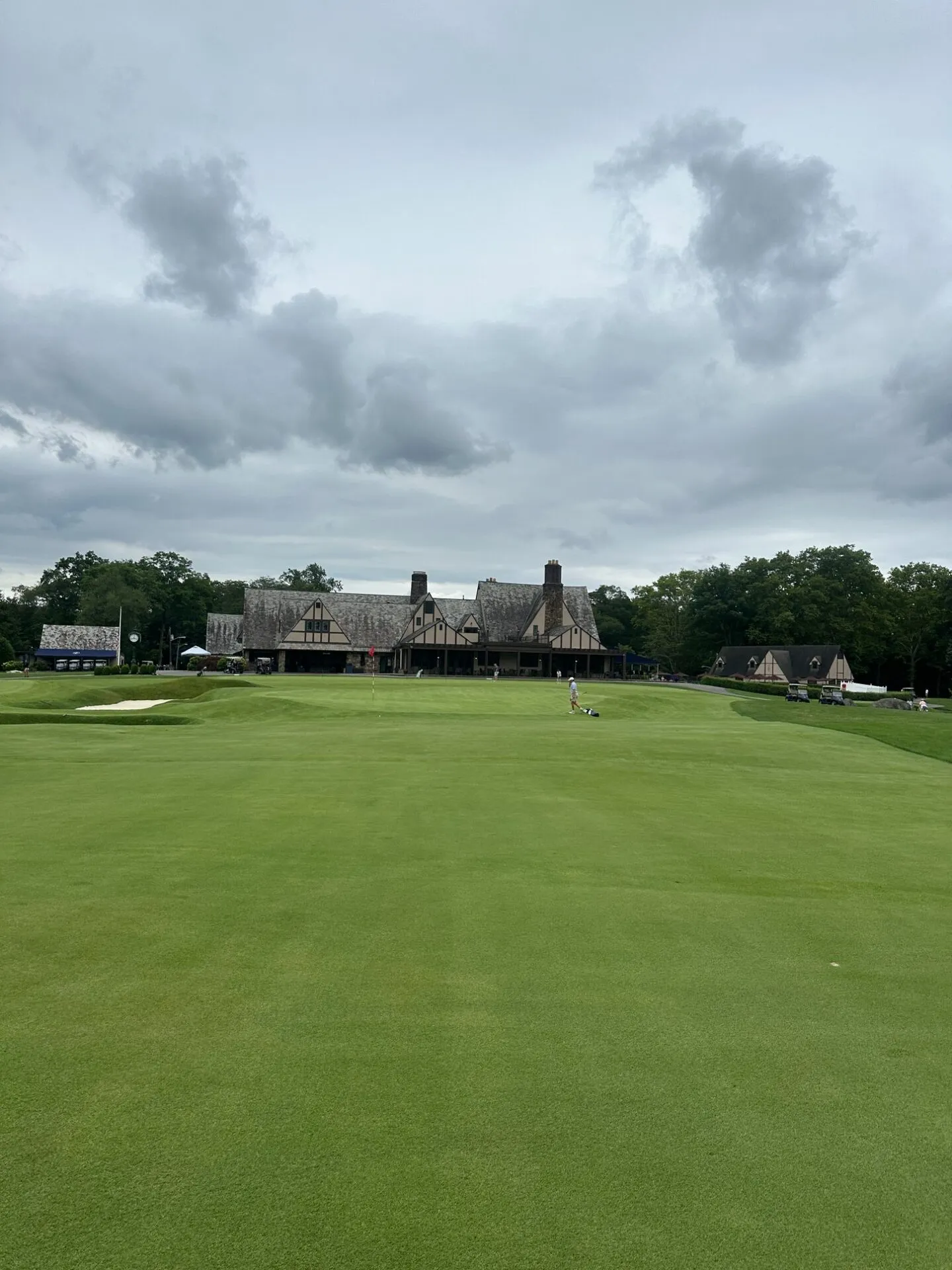
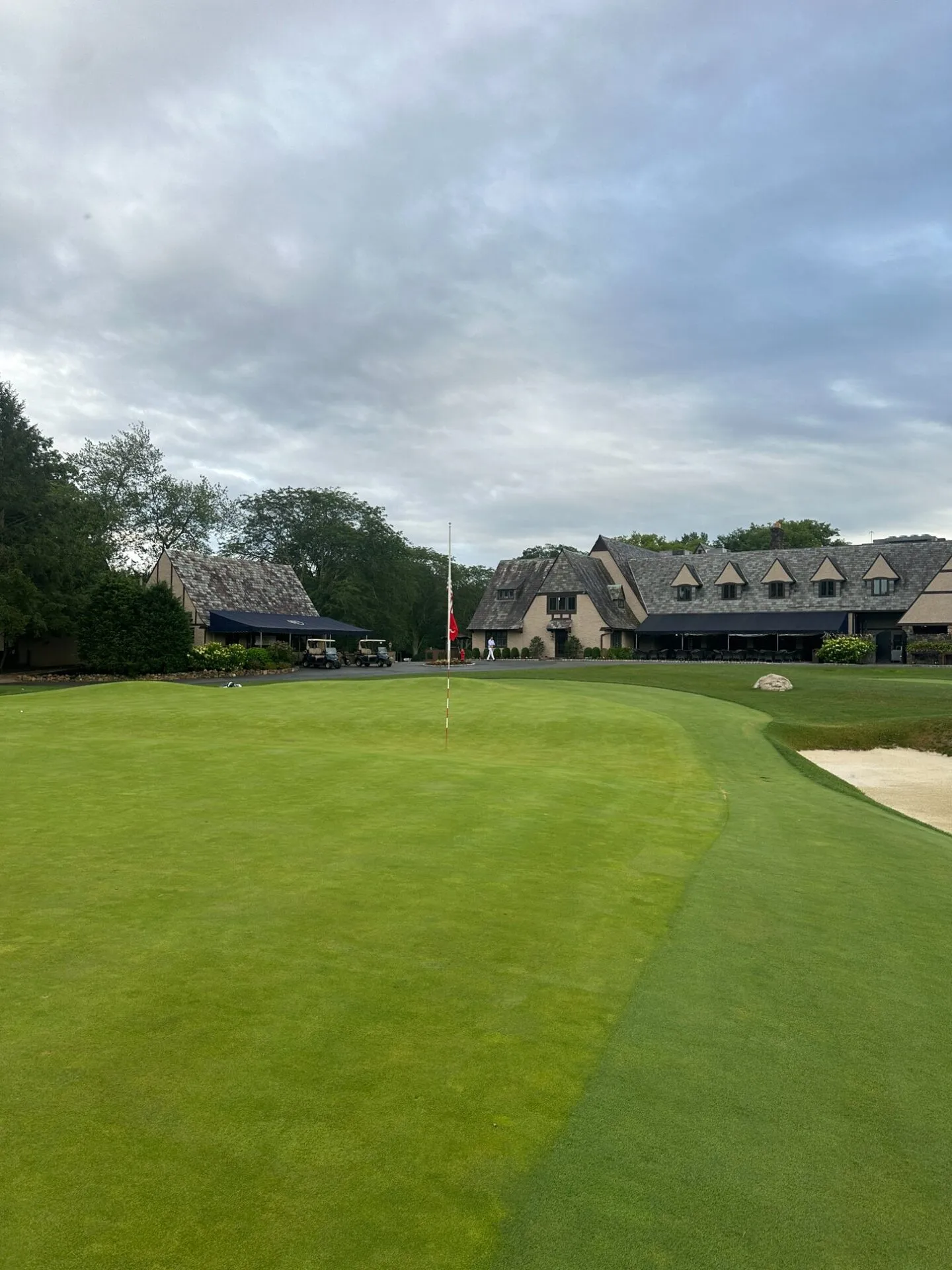
The bunkering supports the green complexes perfectly. Travis was not a flashy bunker designer. You will not find the towering, eyebrow-shaped bunkers that make you gasp from the tee. His bunkers are functional, placed with surgical precision at the exact spots where they create the most strategic tension. Miss the green in the wrong spot and you face a recovery that demands real skill. Miss it in the right spot and you have a straightforward up and down. The difference between those two outcomes is usually about three yards, and knowing where that line is takes rounds, not minutes, to learn.
The Quiet Course
North Jersey does not have the championship pedigree of some of the other courses on our trip. It has not hosted a major or appeared on television. And honestly, that might be part of what makes it so good. This is a course that exists purely for its members and their guests, maintained and appreciated by people who understand what they have.
Among the three of us, this was one of those courses that kept coming up in conversation for the rest of the trip. Not because it was the most dramatic or the most beautiful, but because it was the most intellectually stimulating. Walter Travis built something here that grows on you with every hole, every round, every revisited memory. And Brian Schneider made sure the world could see it again. It is the kind of course that makes you want to be a better thinker on the golf course, not just a better swinger. That is a rare and valuable quality, and it is why Travis deserves to be mentioned in the same breath as the more famous names of his era.