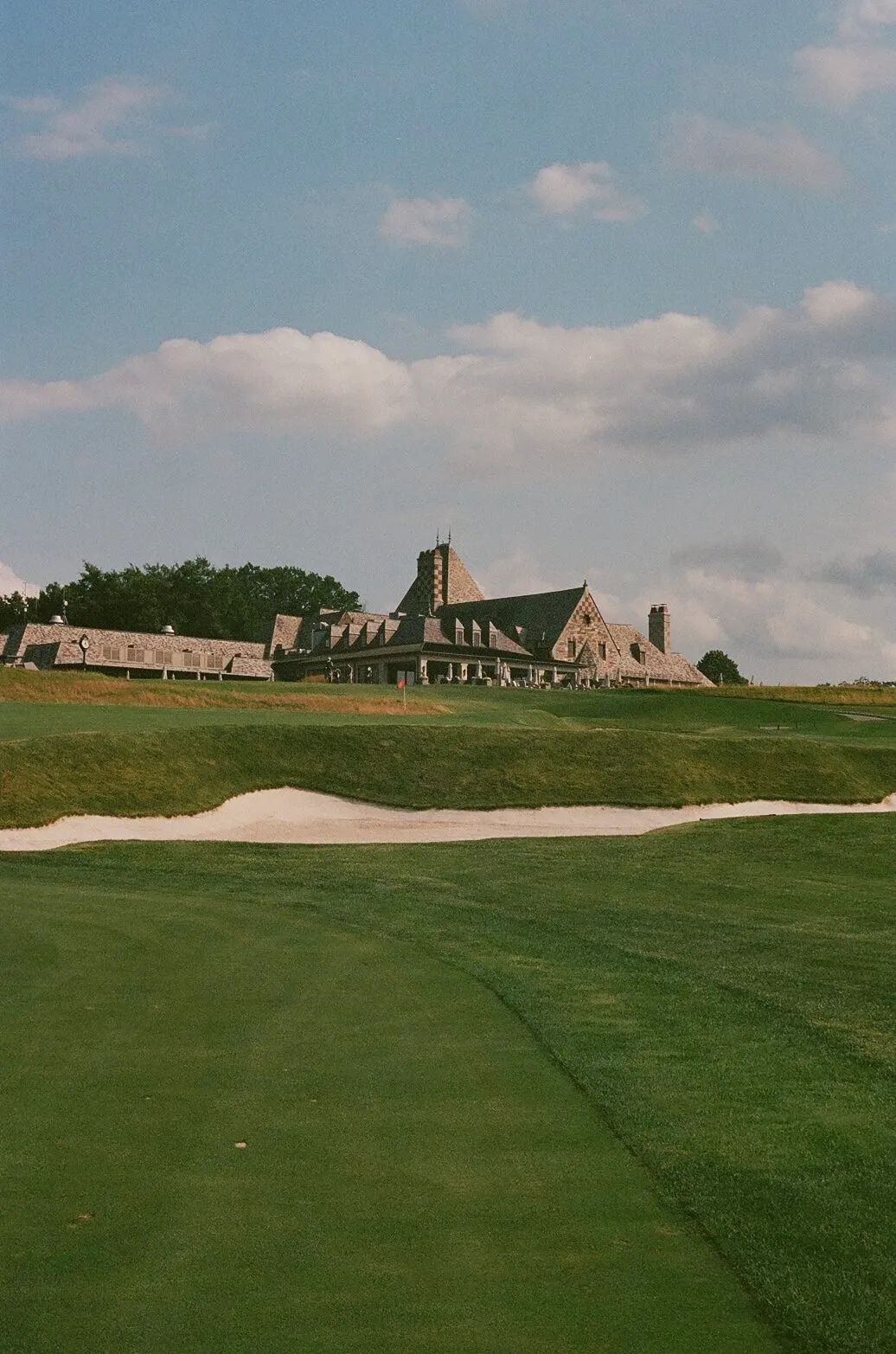
There is a particular kind of humility that Donald Ross courses demand, and Mountain Ridge delivers it within the first three holes. You arrive thinking you understand what a Ross course plays like. Crowned greens, thoughtful bunkering, the emphasis on the approach shot over the drive. And then the land starts moving under your feet in ways you did not expect, and you realize that reading about Ross and playing Ross are two entirely different things.
We came to Mountain Ridge on day three, still buzzing from Stonewall and Francis Byrne, still finding our rhythm as a group on the road. Northern New Jersey in late July has a quality of light that makes everything feel alive. The trees full and green, the fairways glowing in the late morning, the ridgelines rolling out in every direction. Mountain Ridge earns its name honestly. This is a course built into serious terrain, and Ross used every foot of elevation to his advantage.
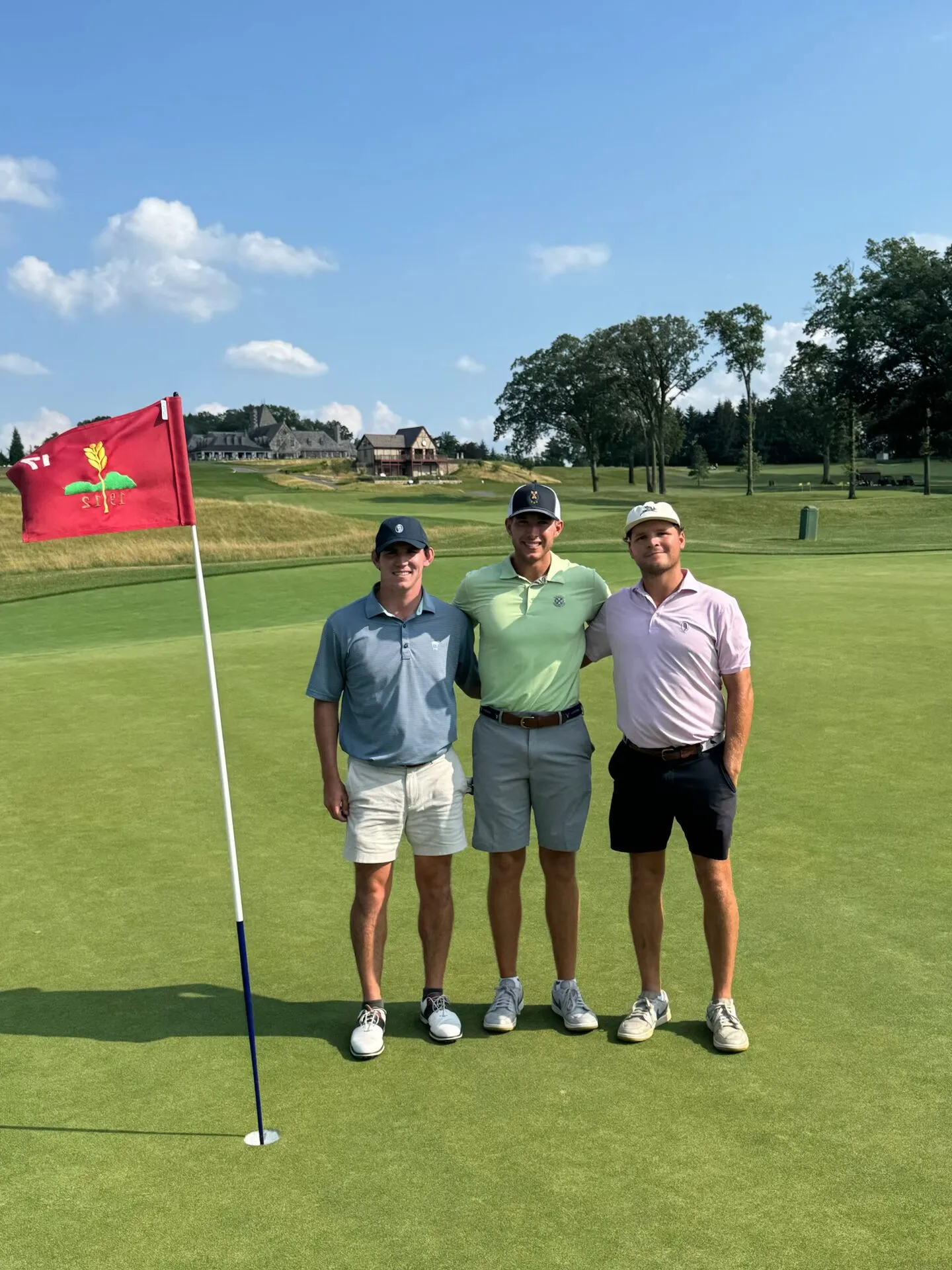
Three Evans Scholars on the green at Mountain Ridge. The clubhouse sits on the ridge behind us like a castle watching over the course.
Ross in the Hills
Donald Ross designed hundreds of courses, and the knock on him from people who have not studied his work closely is that they all feel the same. Mountain Ridge puts that lazy critique to rest immediately. The property gives Ross something he did not always have to work with: dramatic elevation changes, long views across the New Jersey hills, and enough acreage to let holes breathe. He responded with one of his most athletic designs, a course that asks you to move the ball both directions off the tee and demands precision on approaches that play uphill, downhill, and sidehill in rapid succession.
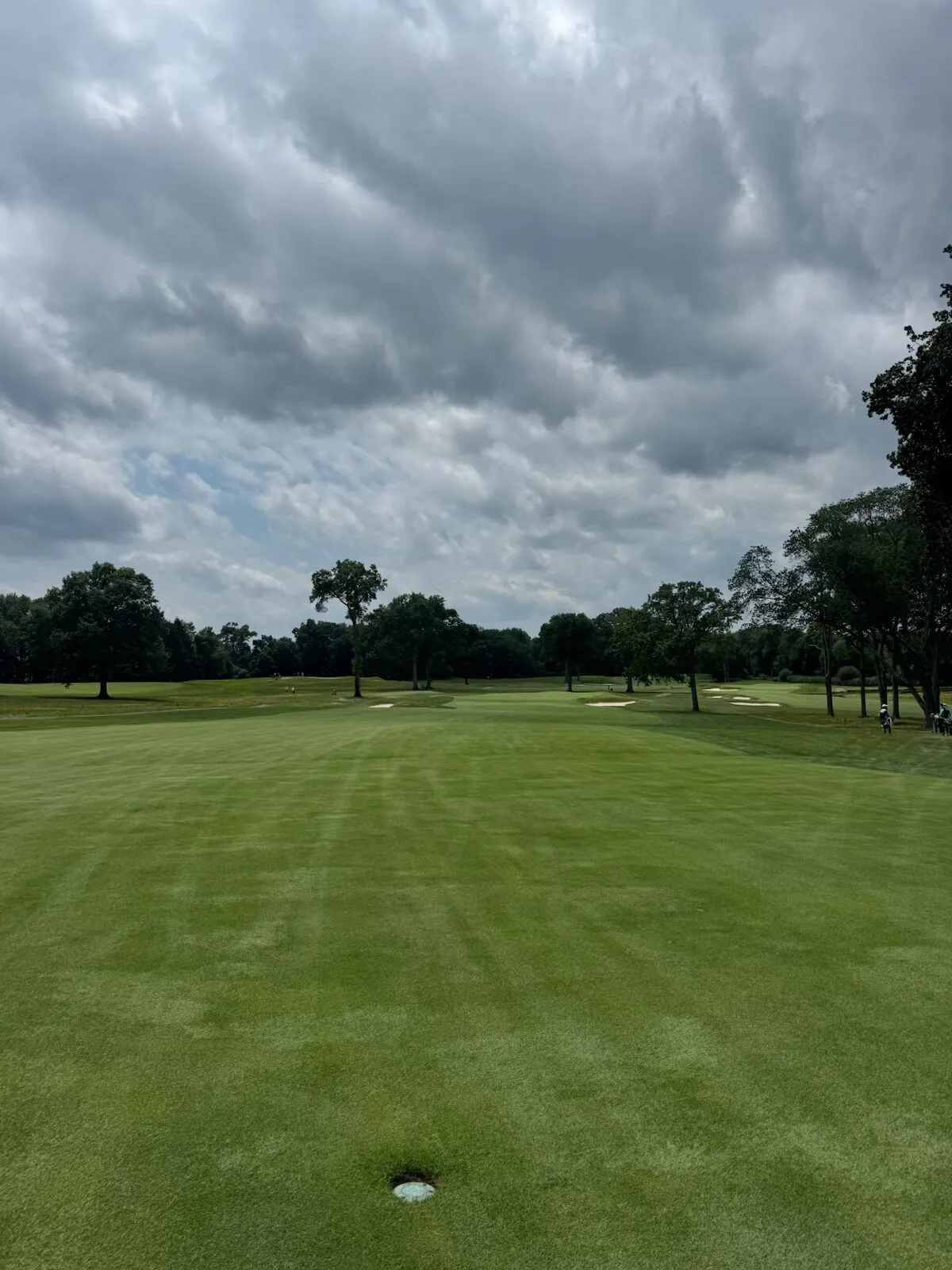
The green complexes are where Ross shows his genius. They are not the most dramatically contoured greens you will ever see, but they are among the most intelligently designed. Nearly every one has a preferred angle of approach, and the penalty for missing that angle is not a lost ball or a forced carry. It is a chip or putt that runs away from you in ways you did not anticipate. Ross greens punish laziness, not aggression. If you have done the work off the tee to set up the right angle, the green opens up to you. If you have not, even a well-struck approach can leave you with a bogey putt.
The Routing
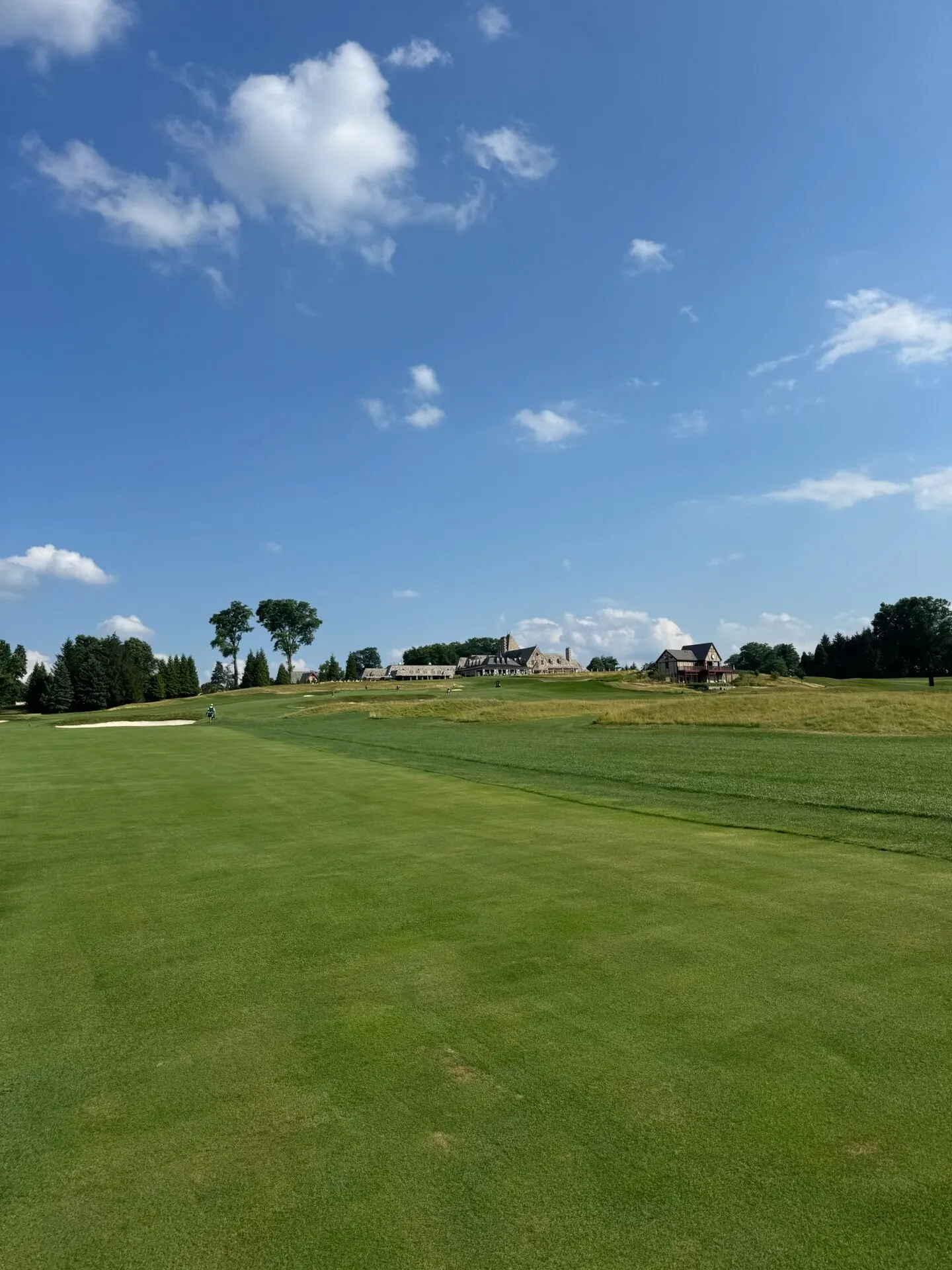
What impressed us most about Mountain Ridge was the routing. Ross moves you through the property in a way that never feels repetitive. You play along ridgelines with sweeping views, then drop down into tree-lined corridors where the world shrinks to just you and the hole in front of you. The transitions between these moments feel effortless, as if the course is telling a story with a rhythm, open then intimate then open again, that keeps you engaged all the way through.
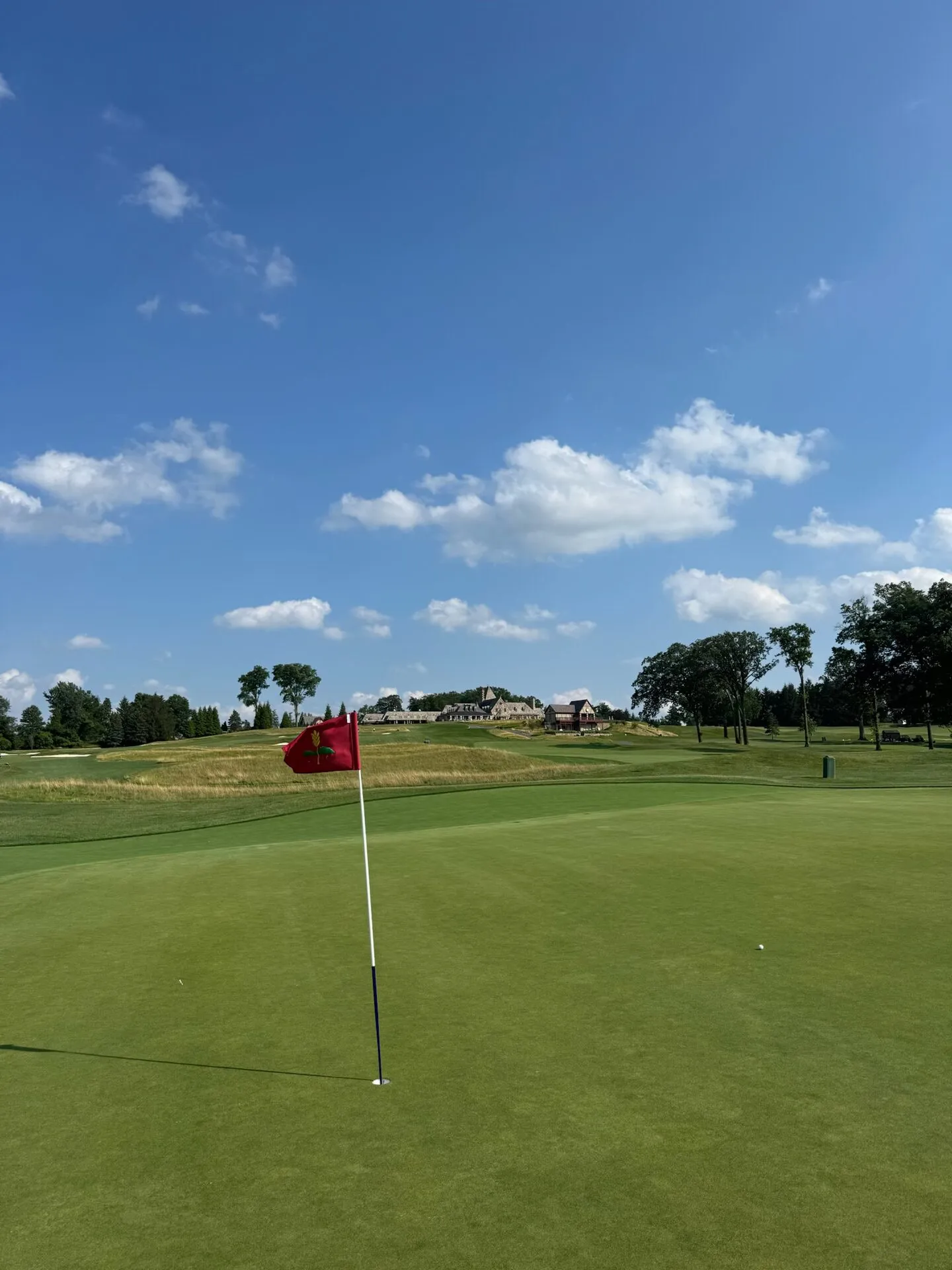
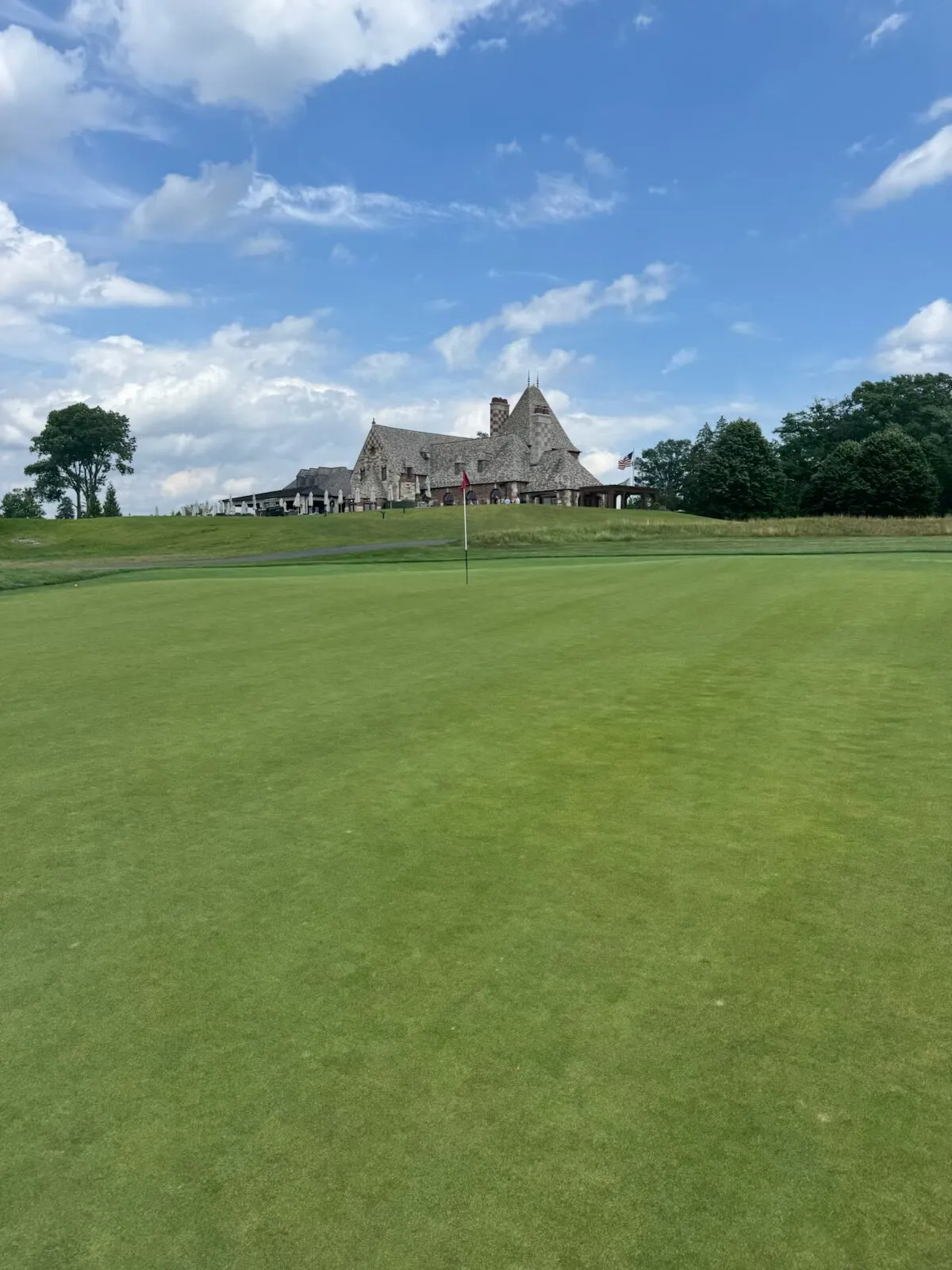
The par threes are strong, each one asking for a different shape and a different level of commitment. The par fours are the backbone, several of them stretching past 400 yards on a rolling property that adds yardage with its elevation changes. And the par fives offer genuine risk-reward decisions, the kind where the three of us would stand on the tee debating strategy and then all choose differently. Those conversations are what road trips like this are made of.
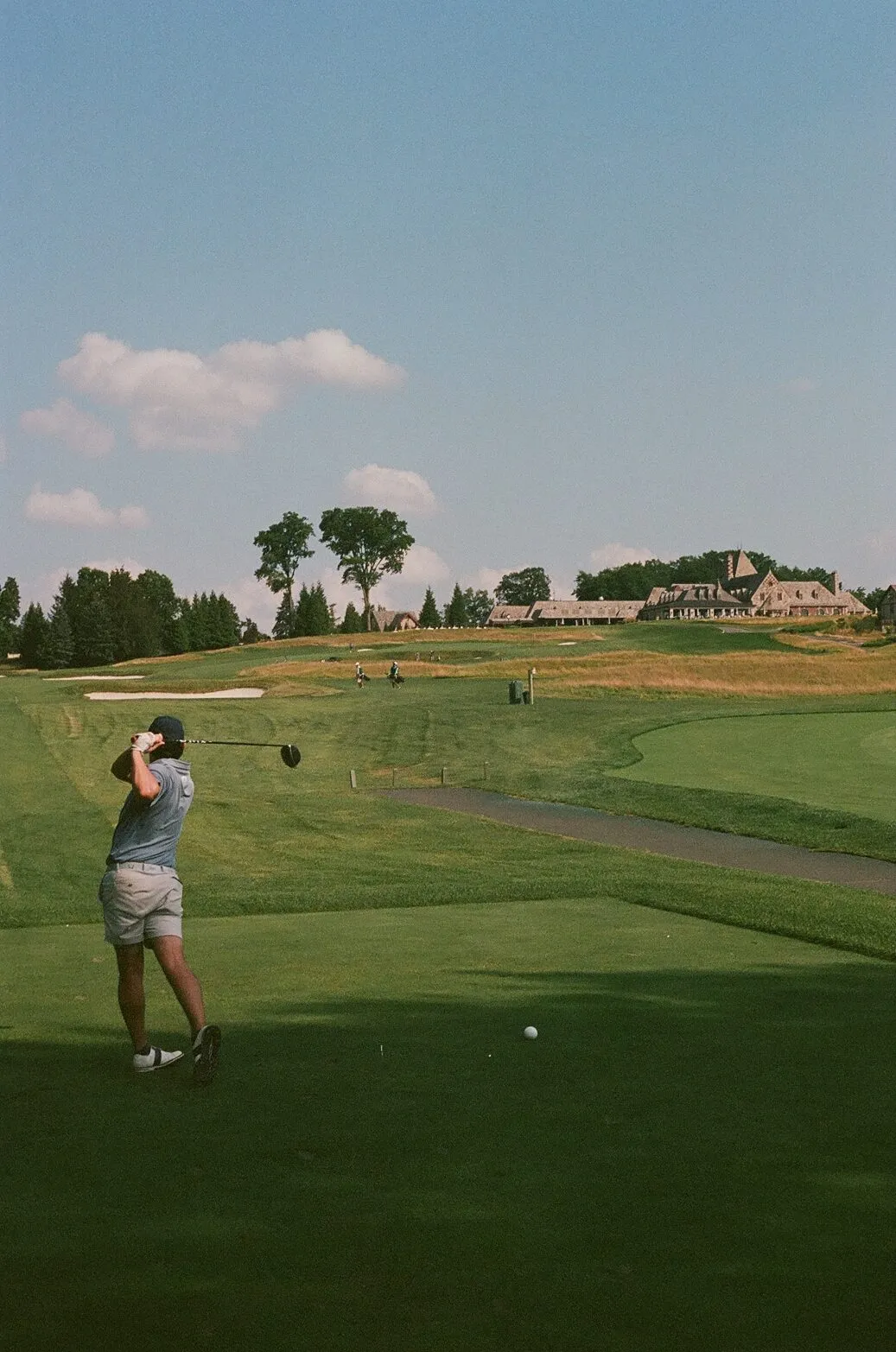
Mountain Ridge is not a household name in the way that some of the courses later on our trip would be. But among the people who study this era of architecture, it is deeply respected. Ross gave this club something special. A course that rewards repeat play, that reveals new dimensions every time you walk it, that feels like it belongs so completely to its setting that you cannot imagine the land without it. We left wanting to come back, which is the highest compliment you can pay any course.