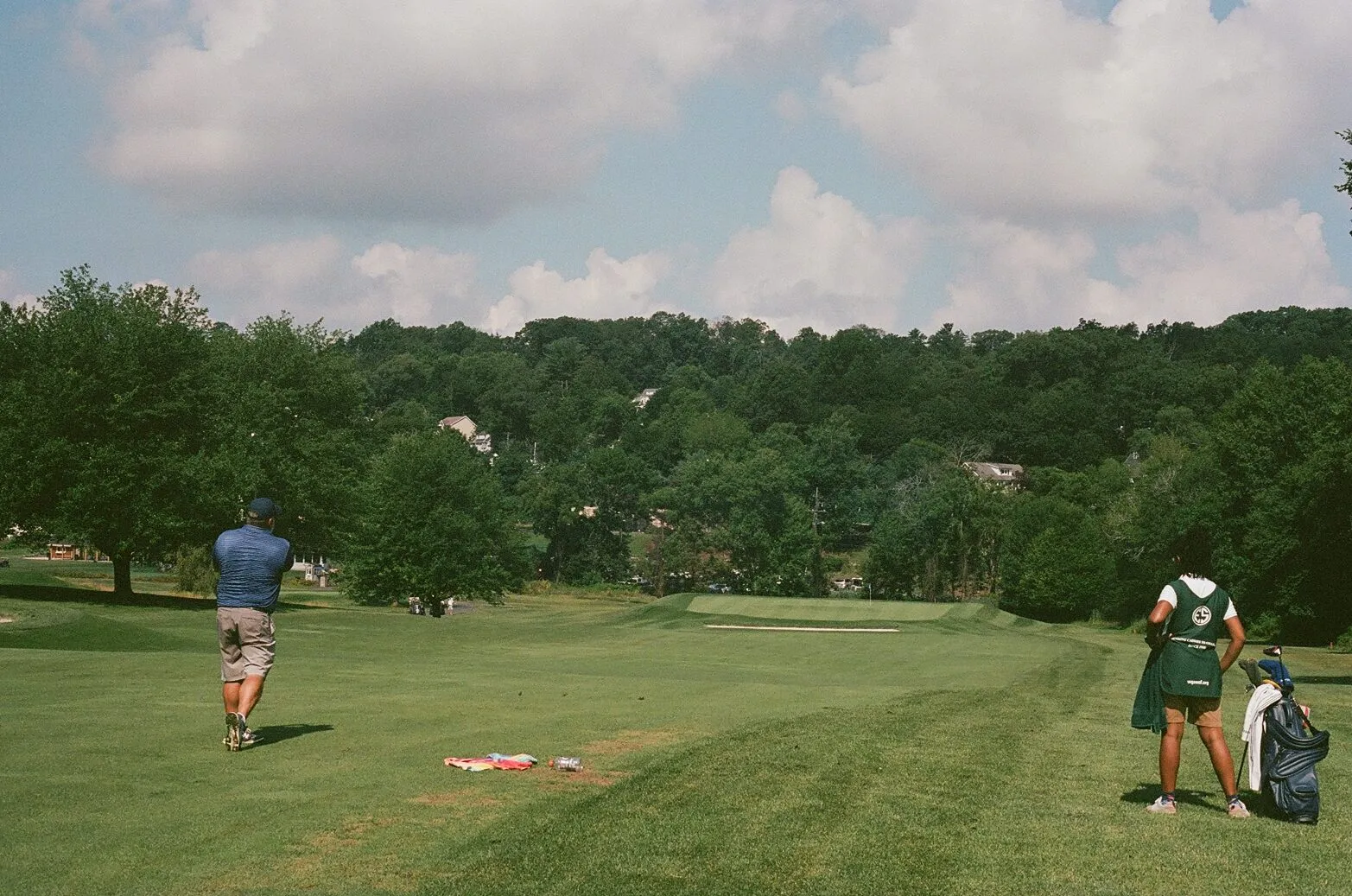
If you want to understand why public golf still matters, you owe it to yourself to play Francis Byrne. This place does not come with a lot of pretense. There are no bag drops, no valet, no halfway house handing you a cold towel on the turn. It is just a classic walk through the hills of West Orange, New Jersey, loaded with more history and authentic design than most private clubs could dream of. And the green fee will not break the bank.
We showed up on day two of the trip looking for a contrast to Stonewall. We found one. Where Stonewall was pastoral and private, Francis Byrne was unapologetically public. The kind of course where the first tee has that lived-in energy of a place that gets played hard, day after day, by people who love the game. But the architecture underneath all of that daily foot traffic is genuinely world-class, and that is what we came to see.
The Banks Connection
The story behind this course is one of those layered histories that golf architecture nerds live for. Francis Byrne was born in 1926 as the West Course for Essex County Country Club, designed by Charles Banks, the protege who completed the unfinished work of Seth Raynor after Raynor’s untimely death. Raynor had learned directly from Charles Blair Macdonald, the grandfather of American golf architecture. So when you walk this course, you are walking in a direct line from the very origins of American course design.
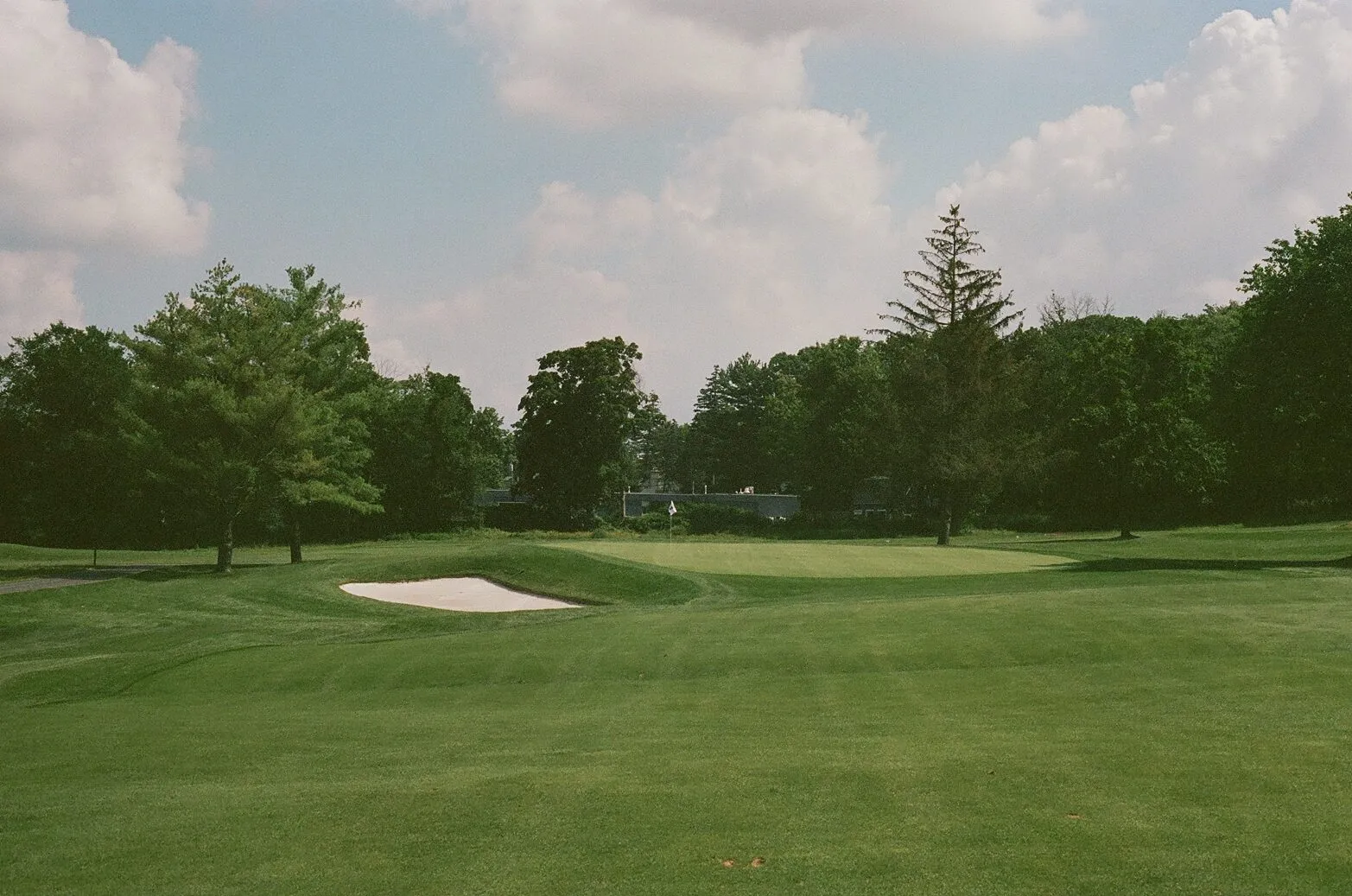
The club eventually ran into financial trouble and sold the West Course to Essex County in the 1970s. It was renamed after Francis Byrne, a former town commissioner and father of New Jersey Governor Brendan Byrne. Decades of public play softened some of the original Banks features, as often happens when maintenance budgets tighten and the bunkers get a little smaller each year. But recent renovation work by Stephen Kay has brought many of those classic elements roaring back to life.
Template Holes for the People
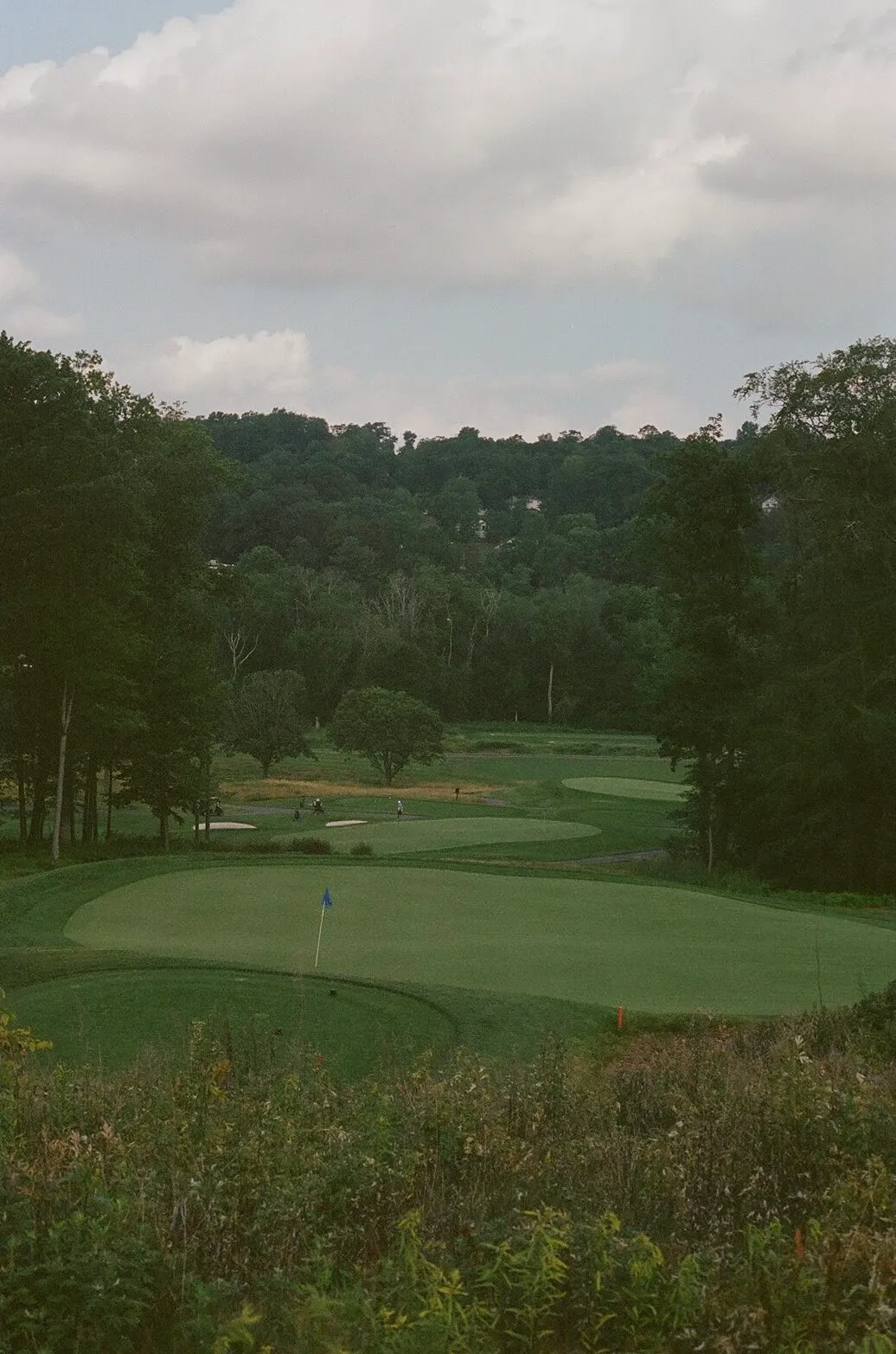
Here is what makes Francis Byrne special: this is one of the few places in the country where you can play authentic Macdonald-Raynor-Banks template holes on a public course for a municipal green fee. The Road Hole on number one. A pure Biarritz on number two, with that deep swale bisecting the green, one of those rare holes where you stop on the tee and genuinely have to think about strategy on a par three. The Short on five. The Eden on fourteen. These are designs that trace their lineage all the way back to the great links of Scotland, filtered through the American template tradition, and they are available to anyone who books a tee time.
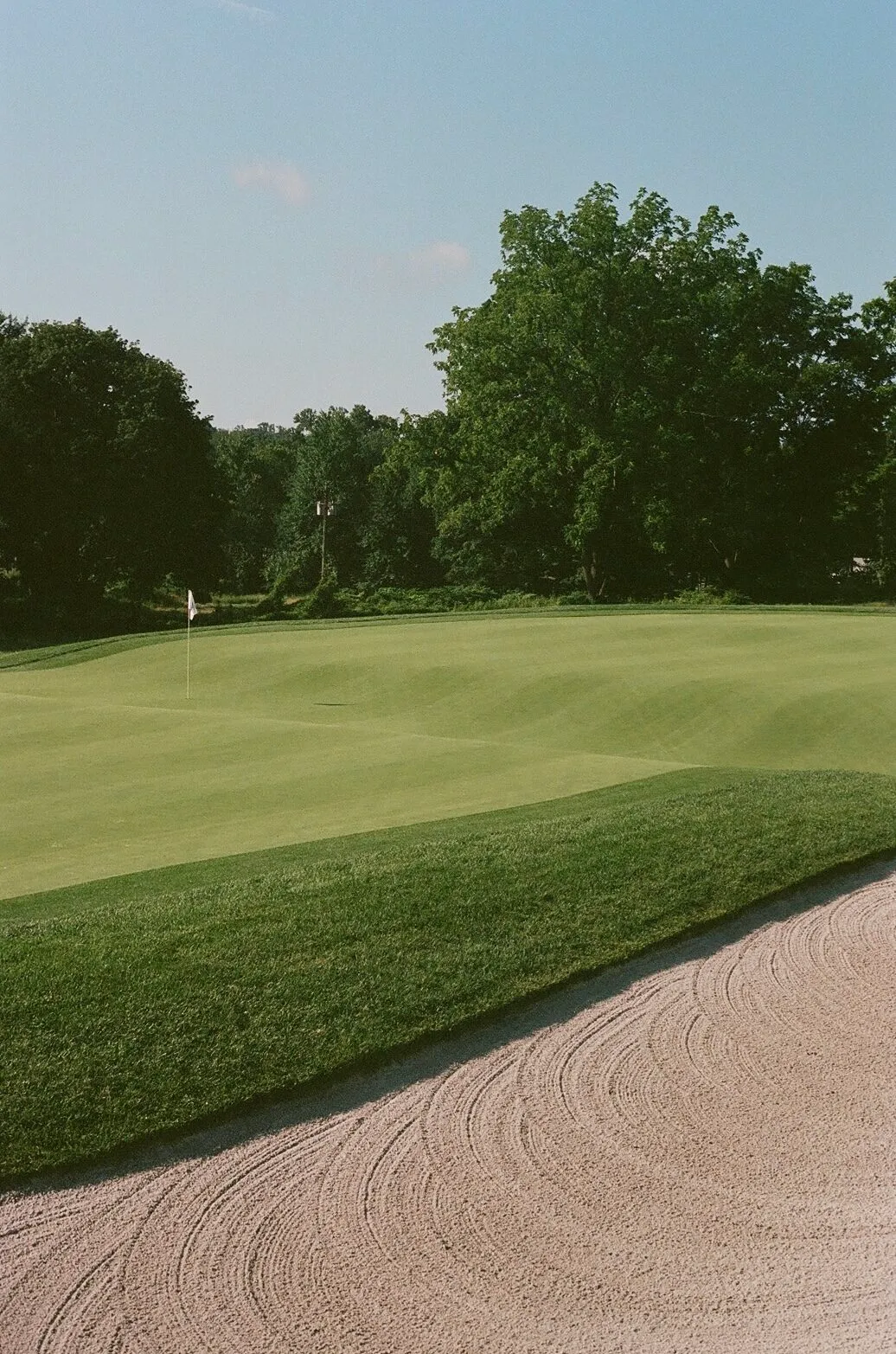
From the lip of a Banks bunker. The raked sand, the clean edge, the pin waiting on the other side. These are the details that separate architecture from landscaping.
The Biarritz on two is the standout. It can play up to 265 yards from the back tees, which is borderline absurd for a par three. That deep swale in the middle of the green creates three distinct zones: front plateau, valley, and back tier. Watching your ball land on the front shelf, trickle down into the valley, and if you have judged the distance right, climb up the back tier toward a tucked pin is one of the great pleasures in public golf. It is a hole that rewards intelligence over brute force, and that is quintessential Banks.
The Walk
The property itself is built into the side of a mountain, essentially, with dramatic elevation changes that make the walk a genuine workout. This is not a criticism. It adds to the drama. The front nine climbs and drops through the hillside, with bold bunkering framing the holes and demanding commitment from the tee. There is no filler here. Every bunker means something, every contour in the green asks a question.
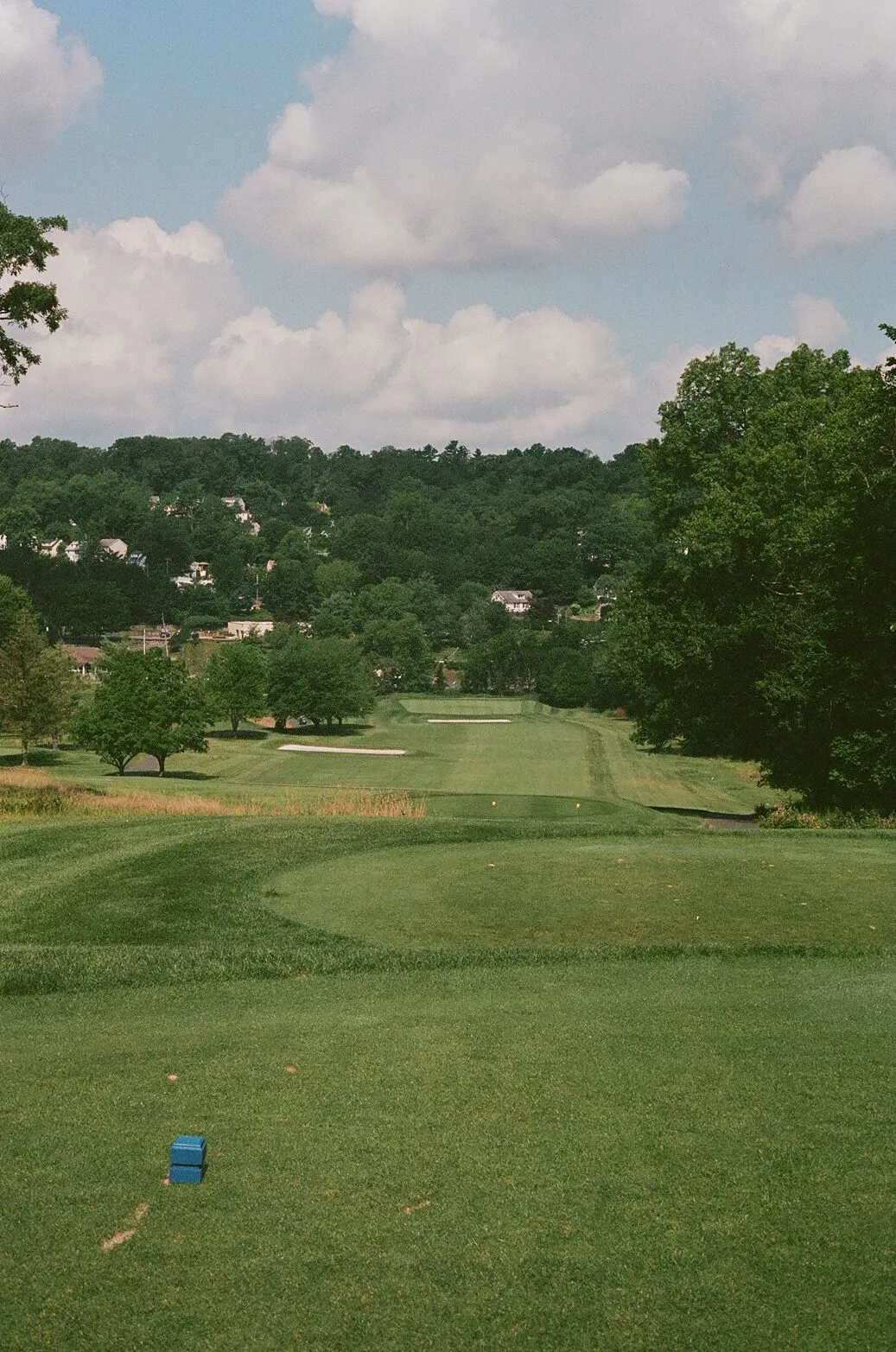
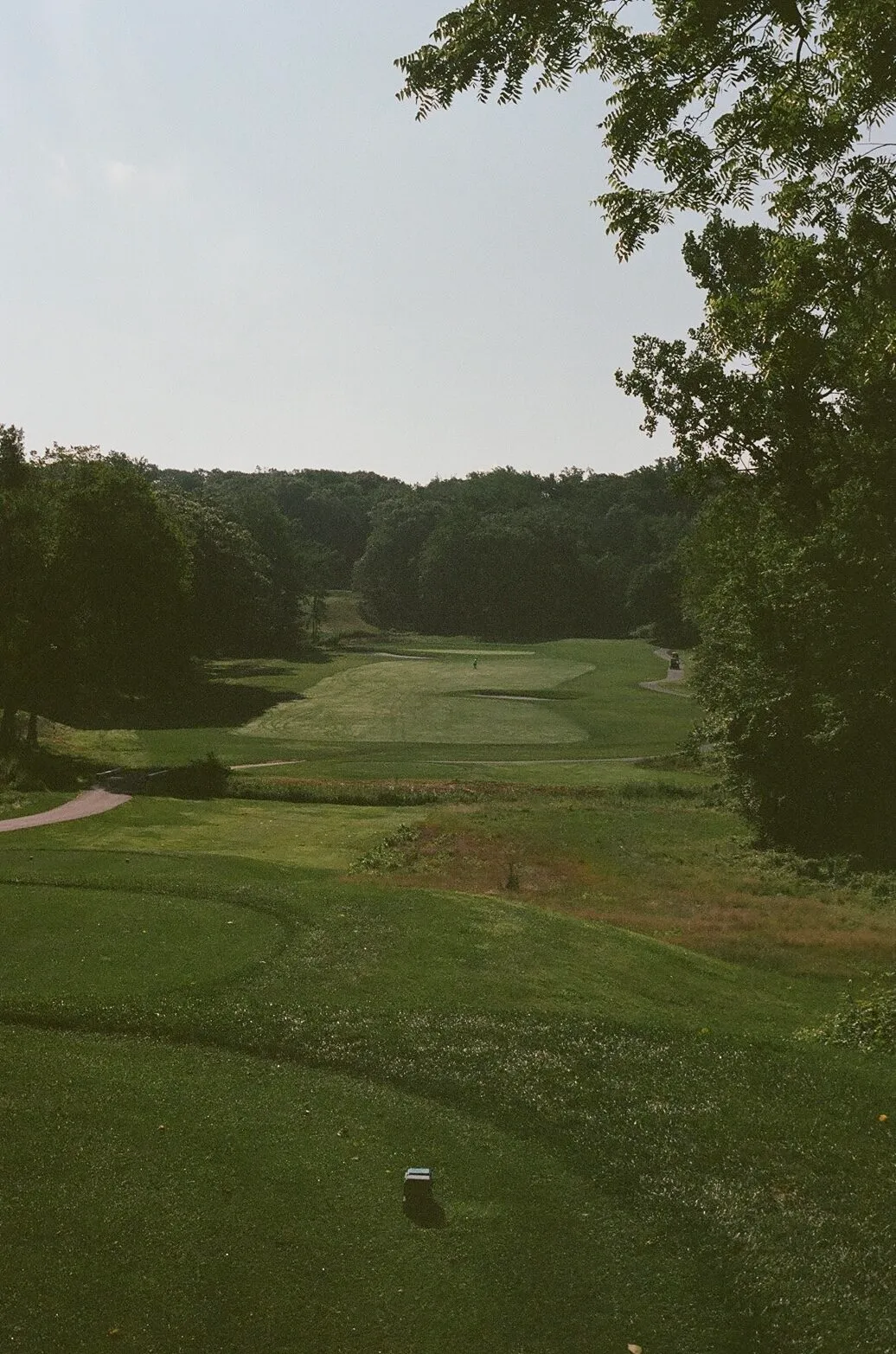
The ninth hole is a gorgeous finisher to the front side, with trees framing the fairway and a green complex that sits so naturally in the landscape that you want to stand there a little longer and take it in. That feeling, of not wanting to leave a green because the setting is too good, is not something you expect from a municipal course. But Francis Byrne keeps surprising you like that.
Finishing up the round, you are reminded that golf does not have to be exclusive to be memorable. The bones of Charles Banks’ design have survived nearly a century of heavy play, a change in ownership, and the slow erosion that comes with public stewardship. And now, with the restoration work bringing back the classic features, Francis Byrne is playing closer to its original intent than it has in decades. If you are making a golf trip through northern New Jersey, this should be on your list. Not as an afterthought. As a destination.